

Most Lehigh Acres property owners can expect an attic insulation installation cost of about $6,500 for a typical project. Smaller, simpler jobs start around $4,000. Large attics, full removal of old insulation or spray foam on the roofline can push the total as high as $30,000.
An insulation quote is more than a bag count. It bundles material, labor, prep and any cleanup of what’s already up there. Knowing the pieces helps you compare quotes line by line.
The scope of the job moves the price more than anything else. Here’s how typical projects in Lehigh Acres break down.
| Price level | Project price | Typical scope |
|---|---|---|
| Low | $4,000 | Blown-in insulation added over clean, dry insulation in an easy-to-reach attic |
| Average | $6,500 | A mid-size attic with air sealing and some prep work |
| High | $30,000 | Large or hard-to-reach attics, full removal, or spray foam on the roofline |
Most homes land near the $6,500 mark. Your number moves up or down based on attic size, the material you choose and how much prep or removal the attic needs. An on-site look is the only way to pin down an exact price.
Too much R-value wastes money. Too little leaves your AC fighting attic heat all summer, so the target you pick shapes the whole quote.
ENERGY STAR recommends R30 for an uninsulated attic in zone 1 and R49 in zone 2. Here’s the catch: the 2026 Florida Building Code energy volume lists Lee County as zone 1A, while older federal maps placed Lee County in zone 2A. We go with the current Florida code, but ask any installer which target they’re quoting, since it changes material depth and price.
For a quick check, Energy.gov says anything under about R-30, roughly 10 to 13 inches, could likely use more. Measure depth at the hatch and in a few spots.
This is the biggest price for a fork. Both work in a hot, humid climate, but they solve different problems.
Blown-in goes on the attic floor. It’s the cheaper path and fits homes where the main goal is slowing heat through the ceiling. These jobs usually sit toward the low end of the range.
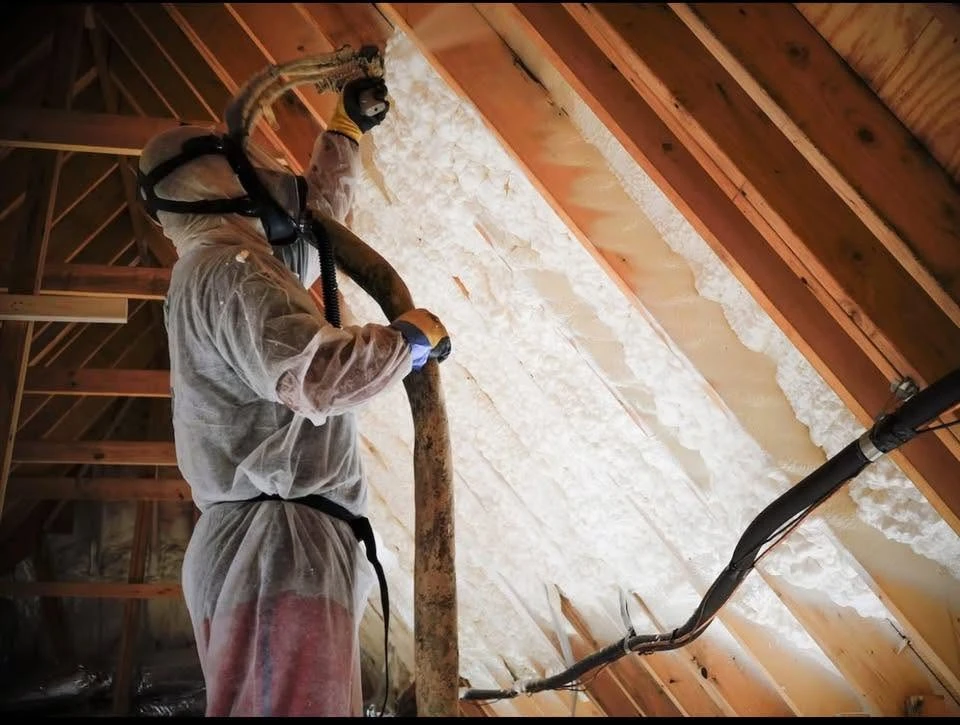
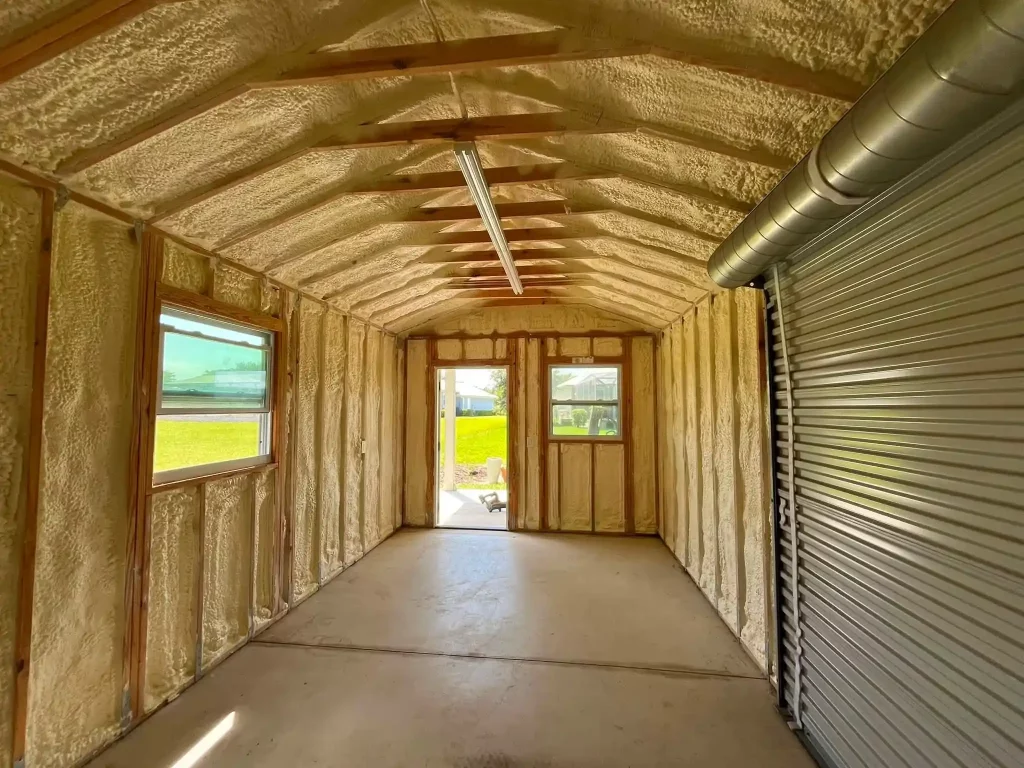
Spray foam usually goes under the roof deck. If your air handler and ducts sit in the attic, insulating the rafters encloses that duct system inside the insulated space. Foam also seals air leaks as it goes on. Because the roof deck covers more area than the attic floor and foam costs more to install, these projects tend to fall between the average and high end.
The trade-off is simple. Foam costs more and old floor insulation often has to come out first. Blown-in costs less but doesn’t air seal on its own.
Two homes the same size can get very different quotes. These are the things we check before pricing a job.
Your power company matters here. LCEC serves parts of Lehigh Acres, and other homes are on FPL.
FPL gives a $220 instant rebate as an invoice credit when a participating contractor installs the insulation and the home currently sits below R-8. Each home can qualify once every 20 years. LCEC members should call the co-op about current programs before booking.
A few minutes of prep gets you a faster, more accurate number.
If your rooms run hot or your AC barely shuts off, your attic is a smart place to start. Spray Foam Contractors LLC in Lehigh Acres, FL offers free quotes on blown-in and spray foam attic insulation.
We’ll look at what’s up there now, walk you through your options and give you a written price. Call (239) 688-4979 or email [email protected] to book your free quote.
It often pays off when ducts or the air handler sit in the attic, because foam on the roof deck brings them inside the insulated space. If your ducts aren’t in the attic and you just need more depth, blown-in usually gives more value per dollar.
Rooms that stay hot in summer, an AC that runs nonstop and rising power bills are common signs. In the attic, if you can easily see the tops of the ceiling joists, the insulation is likely too thin to do its job.
A blown-in top-up can often be done in a day. One Florida homeowner reported a two-day spray foam job, with the first day spent removing old insulation.
It can. FPL cites ENERGY STAR’s estimate that sealing and insulating can save about 15% on heating and cooling costs each year. Your savings depend on your starting insulation level and AC use.
It’s worth asking about. Energy.gov suggests homeowners in hot climates consider a radiant barrier on the attic rafters to cut summer heat gain.