

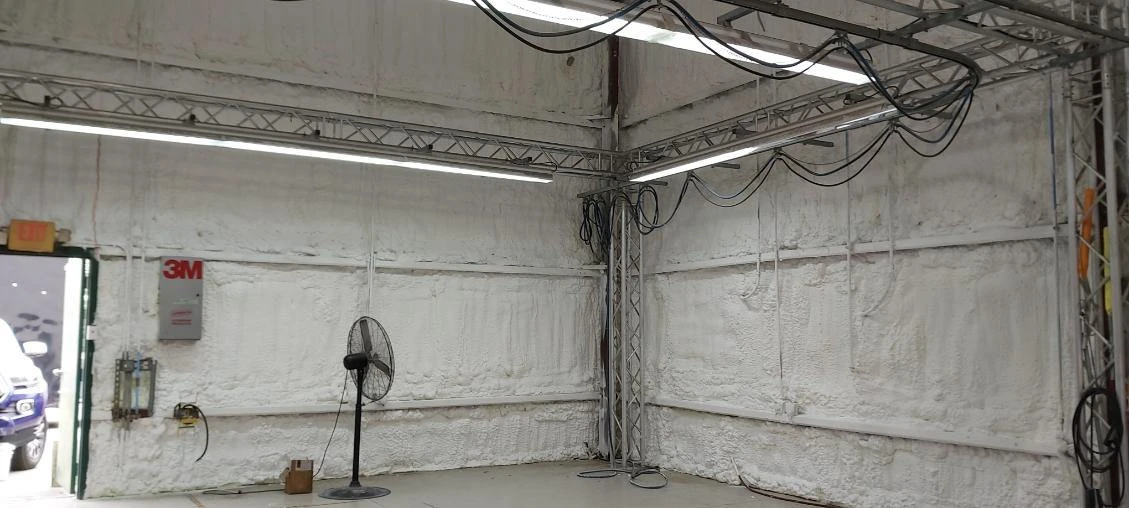
Insulation is the most effective way to manage your building’s energy consumption and comfort levels, but it only works if you treat it as part of a complete thermal system. When your home is properly insulated, it slows the movement of heat, keeping warmth inside during the winter and blocking heat from entering during the summer.
To get the best results, you must look beyond the R-value of the material itself. A successful insulation project requires addressing the building envelope as a whole, which means pairing thermal protection with consistent air sealing and appropriate ventilation. Relying on insulation services alone without addressing air leakage is the most common reason homeowners fail to see the results they expected on their monthly utility bills.
At its core, insulation is designed to resist the flow of heat. Heat naturally moves from warmer areas to cooler ones through three distinct processes: conduction, convection, and radiation. Insulation materials act as a barrier to these processes, maintaining a stable temperature inside your structure.
The standard way to measure this resistance is the R-value. A higher R-value means the material is more effective at stopping heat transfer. However, the “nominal” R-value listed on a product label often differs from the “effective” R-value you experience in your walls or attic. If your home has gaps that allow air to bypass your insulation, the effective R-value drops significantly. This is why building scientists often emphasize that insulation is only as good as the air barrier protecting it.
When you invest in insulation, you are paying for thermal resistance, but you are also investing in the long-term durability of your building. Poorly insulated homes often struggle with moisture accumulation within the wall cavities. When warm, moist indoor air meets a cold surface inside a wall, it can condense, leading to potential mold, mildew, or structural rot over time. Properly installed insulation acts as a buffer, keeping those surfaces warmer and preventing the conditions that allow condensation to form.
Choosing the right material depends on where you are insulating, such as an attic, basement, or wall cavity, and the specific climate conditions of your area. Each material has unique properties regarding how it is installed, how it performs over time, and how it handles moisture.
| Material | Primary Use Case | Performance Note |
|---|---|---|
| Fiberglass | Common, budget-friendly choice for open cavities. | Can settle over time and does not seal air gaps effectively. |
| Cellulose | Made from recycled paper; good for filling tight, irregular spaces. | Offers decent sound dampening but requires protection from moisture. |
| Spray Foam | High-performance air and thermal barrier for walls, roofs, and rims. | Provides the best seal against air leakage but requires professional equipment. |
Fiberglass remains the most common material due to its availability and low upfront cost. However, it is a batt or roll-based product, meaning it does not conform to the shape of every stud cavity or electrical wire in your wall. If it is not cut perfectly, air will find a way around it. Cellulose, often used in attic “blow-in” applications, performs better at filling these irregular gaps. Despite these options, many building professionals now favor high-performance materials when a home requires both insulation and a rigid air barrier.
Energy Star provides specific guidance on selecting the appropriate insulation type based on your home’s existing structure and your local climate needs. The key is to match the material to the specific challenges of your building, such as high-humidity environments, complex roof lines, or unfinished basement spaces.
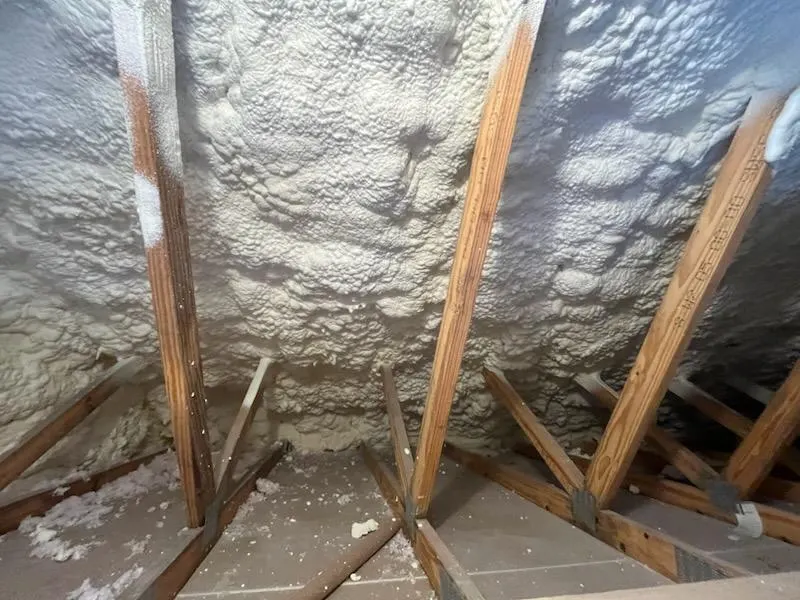
Many property owners consider spray foam when they want to achieve the highest level of energy efficiency, but it is not a “one-size-fits-all” solution. The main advantage of spray foam is its ability to expand into crevices and harden, creating an airtight seal that fiberglass or cellulose cannot match. It essentially turns your wall cavity into a sealed unit.
There are two primary types of spray foam to consider:
Because spray foam involves chemical components that must be mixed and applied at precise temperatures and pressures, it is not a DIY project. Professional application is necessary to ensure the material cures correctly. Improperly applied foam may not expand correctly, may fail to bond to the substrate, or could result in off-gassing issues if not handled by a certified professional. When performed correctly, however, it is the gold standard for creating a high-performance building envelope.
A common mistake is assuming that adding more insulation will automatically solve drafty rooms or high energy bills. Think of insulation like a thick wool sweater: it keeps you warm by trapping your body heat. However, if you wear that sweater on a windy day without a windbreaker, the cold air will pass right through the fibers, and you will still feel cold.
Air sealing is your windbreaker. Before adding insulation, you must seal the gaps, cracks, and penetrations where air leaks into or out of your home. These often occur around window frames, electrical outlets, plumbing stacks, attic hatches, and the rim joists in your basement. These small gaps are responsible for a significant portion of conditioned air loss. When you pair professional air sealing with high-performance insulation, you create a complete thermal envelope that works in every season.
It is also important to remember that as you make your home more airtight, you may need to evaluate your ventilation. Standards organizations like the International Code Council emphasize that modern, tight building envelopes require controlled ventilation to maintain healthy indoor air quality and manage moisture levels. Sealing a house tightly without considering how fresh air enters can sometimes lead to issues with indoor pollutants, so always ensure that your insulation upgrade is balanced with a plan for ventilation.
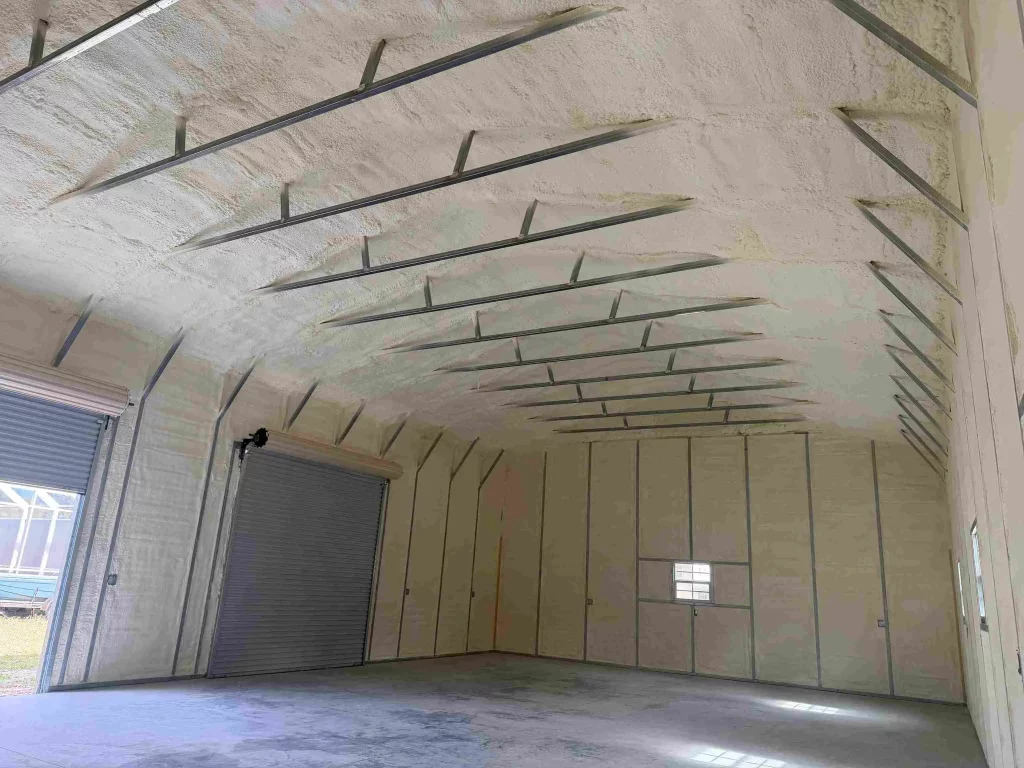
When evaluating the cost of an insulation project, look at it as a long-term investment in your building’s performance rather than just a one-time repair. The return on investment (ROI) comes from lower utility bills and increased home comfort, but the durability of the installation matters just as much as the initial cost savings.
Before moving forward, assess your current needs:
Consider the cost of comfort as well. A home that maintains a consistent temperature throughout the year is a more enjoyable place to live. Reducing the workload on your HVAC system through better insulation can also extend the lifespan of your furnace and air conditioner, providing financial benefits that extend well beyond just the monthly electricity bill.
Proper insulation requires more than buying materials and putting them in place; it requires a detailed understanding of how air, heat, and moisture move through your specific building. Each home has unique challenges, from the way it was originally framed to the condition of its exterior cladding and roof ventilation.
At Spray Foam Contractors LLC, we specialize in professional, high-performance insulation applications that prioritize both thermal resistance and airtightness. We understand that your home is a major asset, and we approach every project intending to improve its long-term efficiency and comfort.
If you are unsure whether your home or building is performing at its potential, we can help. We provide expert property assessments to identify where your thermal envelope is failing and provide tailored solutions to improve your efficiency. Whether you need to seal a drafty basement or insulate a complex roof deck, we have the experience and equipment to get the job done right.
To discuss your project, contact us at (239) 688-4979 or email [email protected].
In many cases, yes. If your existing insulation is in good condition, dry, and free of pests, you can often layer new material on top to reach recommended R-values.
Yes. While its primary purpose is temperature control, insulation materials, especially mineral wool and dense-pack cellulose, provide excellent acoustic benefits.
High energy bills, uneven room temperatures, and icicles forming on your roof in winter are all common signs that your insulation or air sealing is inadequate. The U.S. Department of Energy provides detailed resources to help homeowners identify common areas of heat loss in their homes, including guidance on how to perform a basic energy audit.
Open-cell foam is lightweight and flexible, making it ideal for filling difficult cavities, though it does not provide a moisture barrier. Closed-cell foam is dense, rigid, and has a higher R-value per inch.