

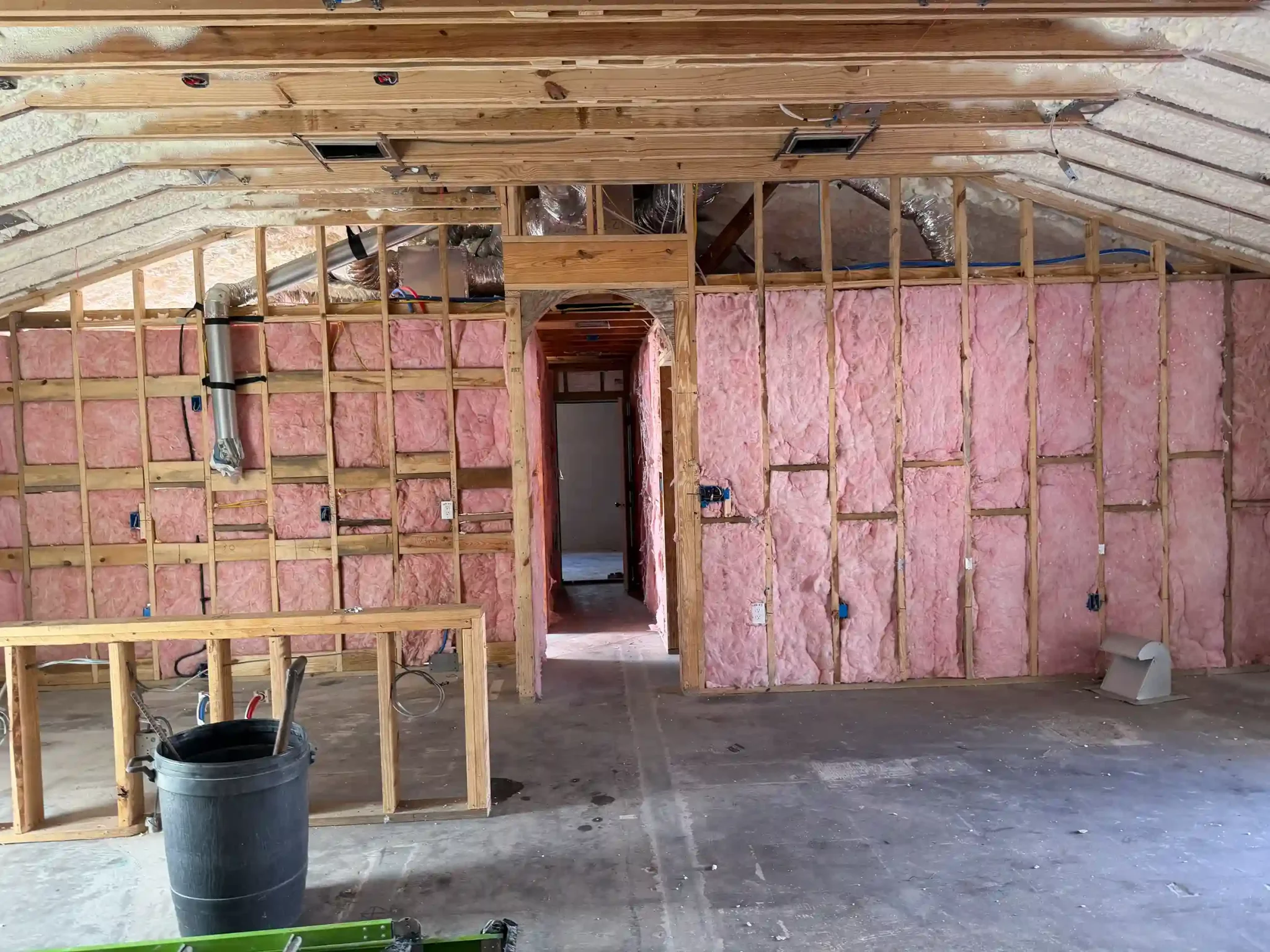
Insulation slows the flow of heat through your attic, walls and floors. In winter it keeps the heat you pay for inside. In summer it keeps outdoor heat from soaking into your rooms. When it’s paired with air sealing, professional insulation solutions give you steadier temperatures, fewer drafts and an HVAC system that doesn’t have to work as hard.
Heat doesn’t care what season it is. It moves from warmer spaces to cooler ones until the temperature evens out, and your home’s job is to slow that trip down.
The U.S. Department of Energy explains that heat moves by conduction through solid materials, by convection through moving air, and by radiation from hot surfaces like a sun-baked roof. Most insulation slows conduction and convection by trapping air or gas in tiny pockets. Radiant barriers work differently. They reflect heat away instead of absorbing it.
R-value rates how well a material resists heat flow, and a higher number means more resistance. The label isn’t the whole story, though. Insulation that’s squashed, gappy or wet won’t deliver its rated R-value. Heat can also slip through wood studs and joists, a problem called thermal bridging.
The same layer of insulation works in both directions. Here’s what it does as the weather changes.
In cold months, warm air from your living space tries to escape into the attic, garage, crawl space and outdoors. Your furnace or heat pump has to replace every bit of heat that gets out. Good insulation slows that loss, so rooms hold heat longer and the system cycles less often.
In hot weather, the flow flips. Heat pushes in through the roof and walls, and your AC has to pull it back out. A well-insulated attic slows the heat that builds up under the roof, which is why upstairs bedrooms often feel the biggest change.
Shoulder seasons bring warm afternoons and chilly nights. Insulation slows how fast indoor temperatures follow those swings, so you’re not bumping the thermostat up at night and back down by noon. Paired with air sealing, it also helps keep humid outdoor air out.
Many homeowners add insulation and still feel drafts. That’s usually because air is leaking around the insulation, not through it.
According to ENERGY STAR, the gaps in a typical home’s envelope add up to about the same as leaving a window open every day of the year. The EPA estimates homeowners can save an average of 15% on heating and cooling costs by air sealing and adding insulation in attics, floors over crawl spaces and basements. ENERGY STAR also reports that 9 out of 10 U.S. homes are under-insulated. That’s why insulation energy-efficiency depends on doing both jobs together, not one or the other.
One trade-off: a tighter house also holds in more moisture. Moisture control and ventilation should be part of the plan, not an afterthought.
Heat loss isn’t spread evenly across a house. A handful of spots tend to cause most comfort complaints.
| Area | Common Problem | Typical Fix |
|---|---|---|
| Attic | Hot upstairs in summer, heat loss in winter | Seal the attic floor, then add insulation |
| Exterior walls | Cold walls, drafty outlets | Blown-in or injected foam |
| Crawl space or basement | Cold floors | Insulate floors or rim joists |
| Room over garage | Always too hot or too cold | Insulate the shared ceiling and walls |
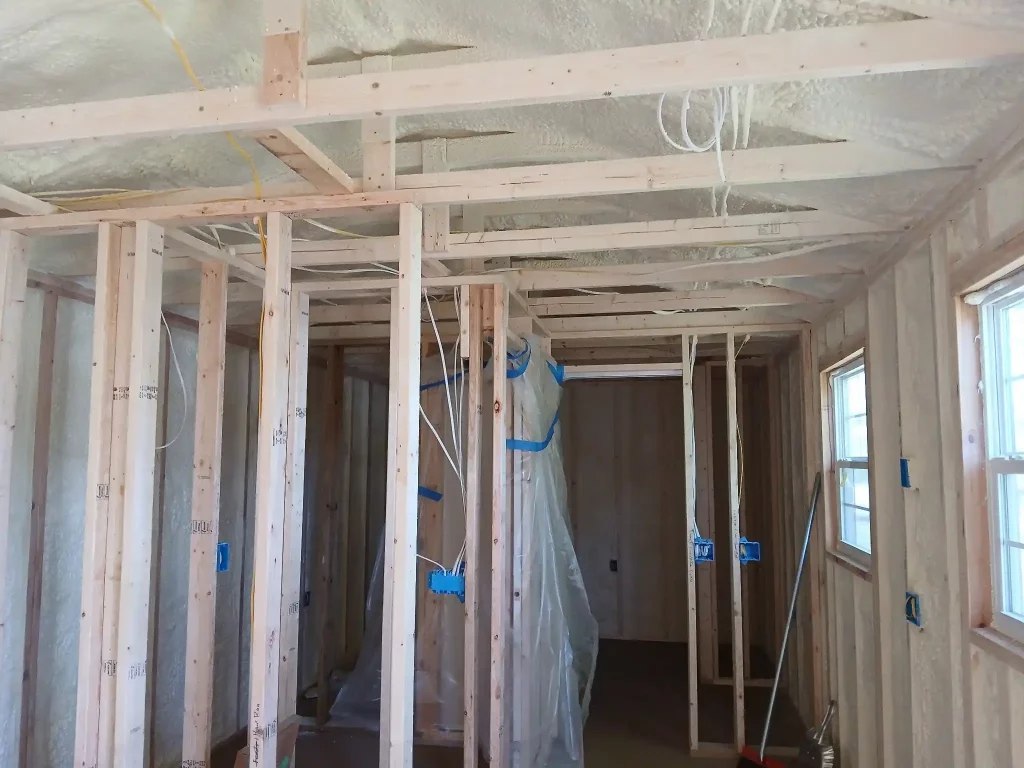
There’s no single best product for every home. The right pick depends on where it’s going, the R-value your climate calls for and your budget.
Foam usually costs more upfront than batts. Since it also forms an air barrier, it can replace separate sealing work like caulking and taping joints.
Your house usually tells you when insulation isn’t doing its job. Watch for these:
If you notice two or more, a trained insulation contractor can measure what’s in your attic and walls and find where air is getting through.
The material matters, but installation matters just as much. Even top-rated insulation underperforms when it’s left with gaps or packed too tight.
Before you hire anyone:
The best insulation solutions start with a look at the whole house, not one product pushed for every job.
If some rooms never feel right or your energy bills keep creeping up, we can help. At Spray Foam Contractors LLC, we’ll check your attic, walls and crawl space, show you where heat is getting in or out, and give you a free quote with no pressure.
Call us at (239) 688-4979 or email [email protected] to book your free quote.
Yes. Insulation slows heat in both directions. In summer it keeps roof and wall heat away from your living space, so your AC runs less to hold the same temperature.
It depends on your climate zone. Department of Energy recommendations for an uninsulated attic run from about R30 in the warmest zone up to R60 in colder zones.
Yes. Sealing first stops air from carrying heat around the insulation. In many spots, spray foam handles both in one step.
Spray foam usually gives more R-value per inch and seals air leaks, which fiberglass batts don’t do on their own. Fiberglass costs less and performs well when installed without gaps. The better choice depends on the area being insulated and your budget.
Often, yes, as long as the old insulation is dry and free of mold or pest damage. Wet or damaged material should come out first so it doesn’t trap moisture.