

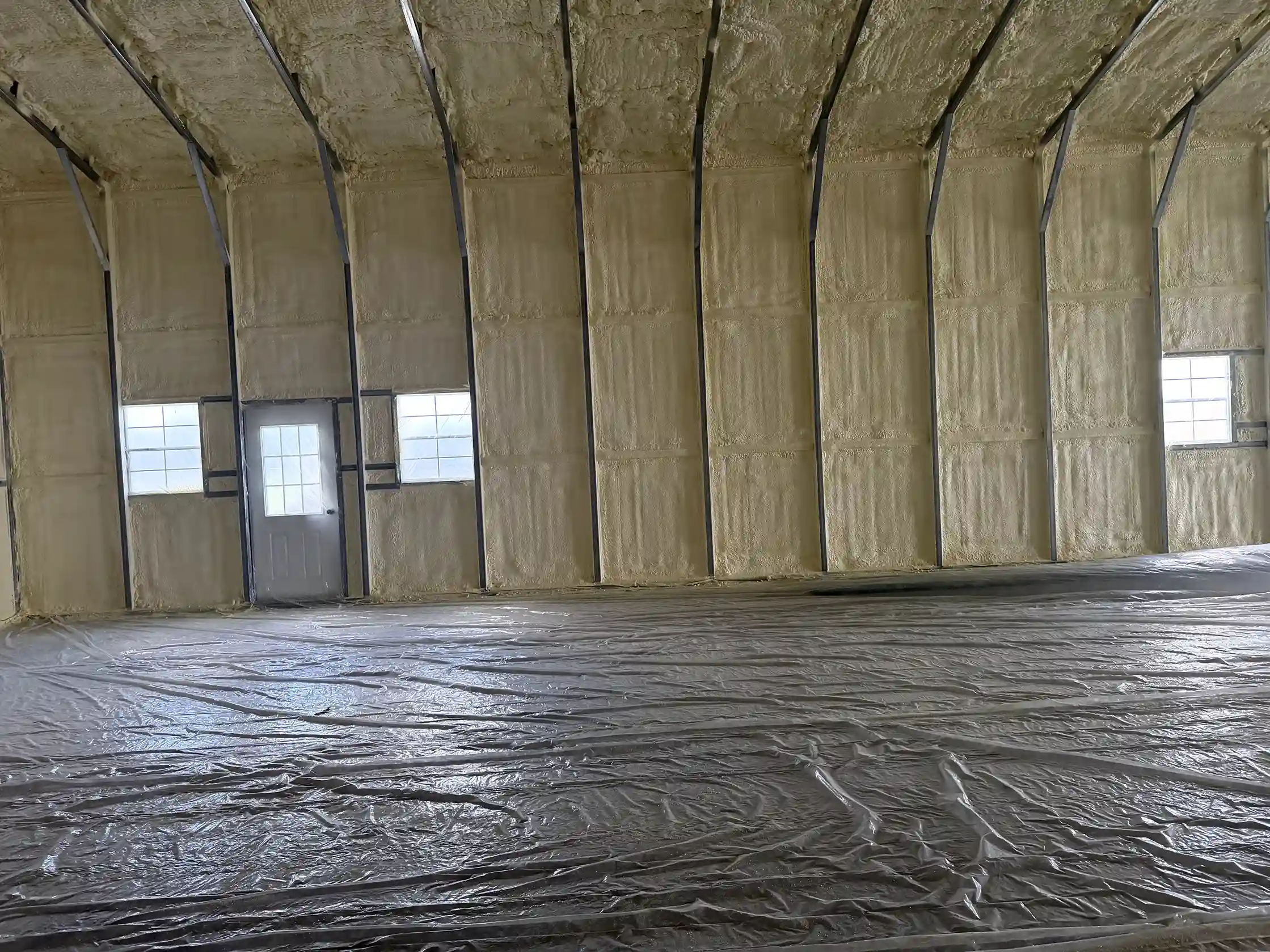
Spray foam insulation helps seal out rodents and pests by expanding deep into gaps, cracks, and utility penetrations, then curing into a continuous air barrier that removes the hidden openings mice, rats, and insects rely on. A mouse can squeeze through a gap slightly larger than 1/4 inch, and a rat through a half inch, so the material filling those gaps matters as much as the insulation itself. In our work across Fort Myers and Southwest Florida, we see the strongest, most lasting results when closed cell or open cell foam is paired with metal mesh or flashing at known chew points, with the right mix depending on your building type, humidity exposure, and pest pressure.
Rodents do not move in by accident. They seek warmth, shelter, and nesting material, and loosely installed insulation offers all three. The University of Nebraska-Lincoln Extension warns that mice can destroy wall insulation in as little as three years, and that this hidden destruction quietly raises heating and cooling bills. Their gnawing also extends to electrical wiring, which is why many structural fires are attributed to rodent-damaged wiring.
The scale of entry is what surprises most homeowners. Rats need a gap only slightly larger than 1/2 inch and mice slightly more than 1/4 inch, and gnawing quickly enlarges smaller crevices. ENERGY STAR adds that if you added up every leak, hole, and gap in a typical home’s envelope, it would equal leaving a window open every day of the year, and 9 out of 10 U.S. homes are under-insulated. Attic bypasses, plumbing chases, soffit gaps, and crawl space openings are open invitations.
Spray polyurethane foam starts as a two-part liquid that expands up to 30 to 60 times its applied volume, then cures into a rigid or semi-rigid mass that conforms to irregular spaces, according to Wikipedia’s technical guide of spray foam insulation. That expansion is the pest-fighting mechanism. Where batts sag and leave seams, foam fills:
The result is a custom airtight envelope. The Department of Energy’s Guide to Air Sealing compares insulation to a sweater and air sealing to a windbreaker: insulation slows heat flow but does not stop moving air, while sealing does. When foam closes the small pathways insects and rodents use, you also cut the pollen, dust, and humidity problems the EPA ties to leaky envelopes. The DOE identifies at least 19 key areas where air sealing improves efficiency, comfort, and building durability at the same time.
| Foam Type | Density and R-Value | Pest and Moisture Strengths | Best Use | Considerations |
|---|---|---|---|---|
| Closed cell | About R-5.1 to 6 per inch, rigid | Dense cured cells resist gnawing penetration, acts as air and vapor barrier, discourages nesting | Crawl spaces, rim joists, walls, metal buildings | Higher project investment, needs professional installation |
| Open cell | About R-3.8 per inch, semi-rigid | Expands into irregular voids and crevices completely, adds sound damping | Attics, interior wall cavities, retrofit homes | Softer texture, interior applications, not a vapor barrier at thin lifts |
Closed cell’s rigid structure gives rodents less to grip and chew, and its moisture resistance matters in Florida’s humid climate, where damp insulation attracts insects. Open cell still outperforms fiberglass for exclusion because it adheres to every surface it touches instead of pulling away from penetrations.
Honesty here protects your investment: cured foam is not chew-proof. The National Park Service Rodent Exclusion Manual shows expanding foam used for hard-to-seal cracks, but paired with copper mesh or 1/4-inch hardware cloth at entry points, and trimmed and painted where sun exposure would break it down. The same manual reports that a one-time repair intervention, sealing the defects rodents were using, cut infestations by more than 90% versus similar unrepaired structures.
| Entry Point | Why It Matters | Recommended Treatment |
|---|---|---|
| Utility penetrations (pipes, conduit, cable) | Top rodent pathway, often hidden behind panels | Foam packed with copper mesh, sealed flanges or flashing |
| Attic and crawl space vents | Direct access to nesting areas | 1/4-inch hardware cloth plus foam around frames |
| Sill plates and rim joists | Ground-level gaps along the whole perimeter | Continuous closed cell pass |
| Garage thresholds and door bottoms | Gap under doors admits mice | Metal flashing, sweeps, foam on adjacent framing |
| Soffits and roofline seams | Roof rat access common in Southwest Florida | Flashing repair plus foam at seam lines |
One caution from the NPS manual: never close an opening until any active animal is out and the species is identified, since sealing a rodent inside causes worse damage.
Pricing depends on square footage, target thickness and R-value, access difficulty, and whether old insulation must come out first.
| Service | Typical Low | Typical Average | Typical High |
|---|---|---|---|
| Closed cell spray foam | $4,000 | $30,000 | $100,000 |
| Open cell spray foam | $4,000 | $9,000 | $30,000 |
| Attic insulation | $4,000 | $6,500 | $30,000 |
| Insulation removal | $4,000 | $6,500 | $30,000 |
| Insulation replacement | $4,000 | $6,500 | $30,000 |
Pair removal with new foam whenever droppings, urine, or nesting material are present, because contaminated batts keep drawing pests back even after every entry point is sealed.
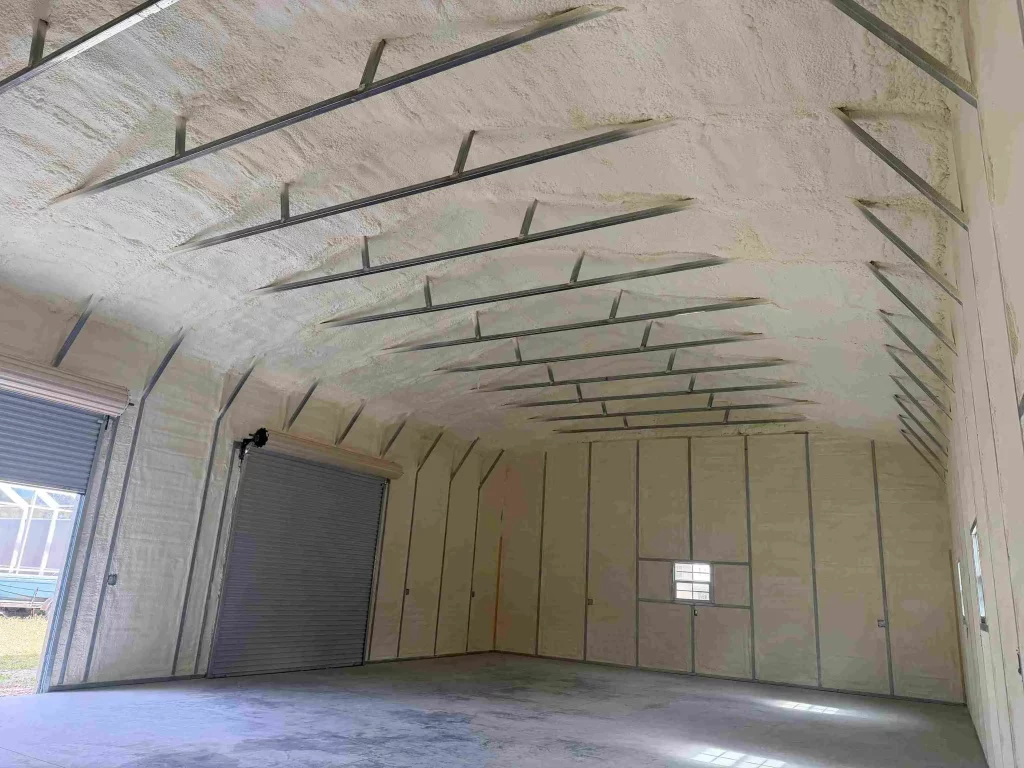
At Spray Foam Contractors LLC, our team seals out rodents and pests the right way: a full entry-point assessment, removal of contaminated insulation when needed, and closed-cell foam or open-cell foam installed to the thickness your home or building actually requires. Call us at (239) 688-4979 or email [email protected] to get a free quote.
Request a Free Quote or Schedule a Pest-Seal Assessment today, and let our crew make your attic, walls, and crawl space a place pests cannot call home.
Yes, determined rodents can gnaw through cured foam, especially at exposed edges. Foam performs best when it fills protected assemblies and is backed by copper mesh or metal flashing at known chew points.
Closed cell foam, because its density and rigidity resist gnawing and it adds a moisture barrier for humid climates. Open cell still fills voids more completely than fiberglass and suits attic retrofits.
No, exclusion works alongside sanitation, trapping, and monitoring, just as federal IPM guidance describes. Foam removes the entry physics while a pest professional removes the existing population.
Decades when protected from sunlight and abrasion, since UV degrades exposed foam. Interior assemblies like attics and walls protect it naturally, while exterior applications need paint or coating.
When it holds droppings, urine, or nesting material, yes. Removal eliminates the contamination and scent trails that keep drawing pests back, then foam seals the voids the old batts left open.